

Video Marketing

Top 10 Video Marketing Trends in 2023

Top 10 Video Marketing Trends in 2023

Video Marketing

Video marketing has become a critical component of modern marketing strategies and keeping up with the latest trends in video marketing is essential for businesses to remain competitive. With technological advancements and changes in consumer behavior, video marketing trends are continuously evolving. In today’s fast-paced digital landscape, businesses must create engaging and captivating video content that resonates with their target audience.

As we approach 2023, there are several video marketing trends that businesses should be aware of and incorporate into their marketing strategies.

Here are some of the video marketing trends that you can't ignore in 2023:

  1. Short-form video content: With the rise of social media platforms like Instagram Reels, short-form videos (typically less than 60 seconds long) have become increasingly popular.
  1. Live streaming: Live streaming provides an opportunity to engage with your audience in real time and can be used for events, Q&A sessions and product launches.
  1. Personalised video content: Personalised videos are tailored to an individual or a specific audience and can include personalized messages, product recommendations and more.
  1. Interactive video experiences: Interactive videos engage viewers and provide a unique experience. They can include quizzes, surveys and other elements that allow the viewer to interact with the content.
  1. Video SEO: Optimising your videos for search engines is becoming increasingly important. This includes adding relevant keywords, creating video transcripts and optimizing video titles and descriptions.
  1. 360-degree videos: 360-degree videos provide an immersive experience and allow viewers to interact with the content by moving their device or cursor around the video.
  1. Virtual and augmented reality: Virtual and augmented reality technologies are being used to create immersive video experiences that can be used for entertainment, training and more.
  1. Vertical video: With the increasing popularity of mobile devices, vertical video is becoming more important. Vertical video content is optimized for viewing on mobile devices and social media platforms.
  2. Influencer marketing: Collaborating with influencers to create video content can be a powerful way to reach your target audience.
  1. Brand storytelling: Video is a powerful tool for telling stories and brands are increasingly using video to create emotional connections with their audience and showcase their values and mission.

Overall, video marketing is set to continue its growth and dominance in 2023. By incorporating these video marketing trends into your strategy, you can stay ahead of the curve and engage your audience in new and exciting ways.

SEO Analysis

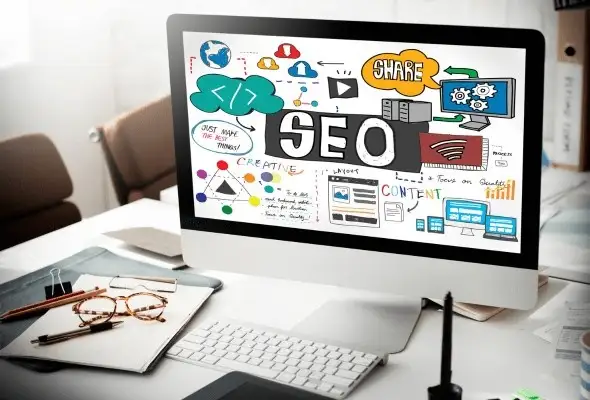
The Importance of SEO in Digital Marketing

The Importance of SEO in Digital Marketing

SEO Analysis

Search Engine Optimization (SEO) is an essential component of digital marketing because it helps businesses improve their online visibility, increase website traffic and drive conversions. In today’s digital age, customers use search engines like Google to find products and services they need and SEO ensures that businesses appear prominently in search results when customers search for related keywords.

Businesses with websites are obviously interested in ways to increase traffic and rank higher on search engines. We help businesses with effective search engine optimization strategies as the top SEO company in Ahmedabad.

Search engine optimization plays an important role in digital marketing for many reasons:

  1. Improved Online Visibility: SEO helps businesses rank higher in search engine results pages (SERPs), making it easier for customers to find them online.
  2. Increased Website Traffic: Higher rankings in SERPs lead to more organic traffic to a website, which can be a cost-effective way to acquire new customers.
  3. Better User Experience: SEO involves optimizing a website’s design, content and structure, which improves the user experience and makes it easier for customers to find the information they need.
  4. Build Credibility and Trust: When your website appears at the top of search engine results, it gives users the impression that your website is credible and trustworthy. Your business will be more likely to succeed if you are able to build trust with potential customers
  5. Cost-effective: SEO is a long-term investment that provides ongoing benefits and can be less expensive than other marketing tactics like paid advertising.
  6. Competitive Advantage: SEO can help businesses stay ahead of their competitors by ranking higher in search results and attracting more customers.
  7. Long-term Results: SEO is a long-term strategy that can provide long-lasting results. While it may take time to see the benefits of SEO, once you start to rank higher in search engine results, you can continue to benefit from increased traffic and visibility for a long time.
  8. Local Search Optimization: For businesses with a physical location, local SEO can help your business appear in local search results and attract customers in your area.
  9. Targeted Marketing: SEO allows you to target specific keywords and phrases that are relevant to your business and your customers.
  10. Improves Website Usability: SEO includes optimizing website structure and content, which can improve website usability for both search engines and users.

Therefore, SEO is an integral part of digital marketing. Boosts website visibility, increases traffic and improves profitability for businesses. Businesses of all sizes can gain a competitive advantage and long-term benefits from SEO.

Tags : SEO

Share This :
lead generation concept

What is Lead Generation?

What is Lead Generation?

What is Lead Generation?

Lead generation is the process of attracting and converting strangers into prospects, It is also called the engine that keeps the marketing machine running, and it’s essential for businesses to understand and invest in.

Digital marketing is an essential piece of the lead generation puzzle, but it’s not the only piece. Once you’ve attracted leads with your digital marketing efforts, you need to know how to convert them into customers.

The Lead Generation Process:

From start to finish, and how digital marketing can help you at each stage; The lead generation process can be divided into four distinct stages:

1. Awareness

  • The first stage of the lead generation process is awareness. At this stage, potential customers become aware of your brand, product, or service.
  • This can happen through a variety of channels, including:

          -Search engines
          -Social media
          -Blogs and articles
          -Advertising

Your goal at the awareness stage is to get your target customer’s attention and make them aware of your brand and what you have to offer.

2. Interest

  • Once you’ve grabbed their attention, you need to generate interest. At this stage, you want to get your target customer interested in your product or service.
  • You can do this by providing more information about what you offer and why it’s valuable and this can happen through:

       -Website content
       -Videos
       -eBooks and whitepapers
       -Free trials
       -Demos

Your goal at the interest stage is to get your target customer to take the next step in the lead-generation process. You want them to move from awareness to interest.

3. Decision

  • The next stage is a decision. At this stage, your target customer is interested in your product or service and is considering making a purchase.
  • They’re looking for more information that will help them make a decision. This can include:

      -Product information
      -Customer reviews
      -Pricing information
      -Case studies

Your goal at the decision stage is to get your target customer to make a purchase. You want to lead them through the final stages of the lead generation process.

4. Action

  • The final stage of the lead generation process is action. At this stage, your target customer has made a purchase and is now using your product or service.
  • Your goal at the action stage is to keep your target customer happy and engaged. You want them to be a repeat customer and advocate for your brand.

    *Here are a few digital marketing tactics you can use to generate leads:

  • Search engine optimization (SEO): The process of optimizing your website for search engines. This helps you rank higher in search results, making it more likely that potential customers will find you.
  • Content marketing: The process of creating and distributing valuable content. This content can help you attract and convert leads.
  • Social media marketing:  The process of using social media to promote your brand and build relationships with potential and current customers.
  • Pay-per-click advertising: It is a form of advertising where you pay for each click on your ad. This can be an effective way to generate leads, but it can also be expensive.
  • Email marketing: The process of sending emails to potential and current customers. This can be a great way to nurture leads and build relationships.

Digital marketing is just one piece of the lead generation puzzle. Once you’ve attracted leads with your digital marketing efforts, you need to know how to convert them into customers.

  • Landing pages Designed to convert visitors into leads. They typically include a form where visitors can enter their contact information in exchange for something of value, like an eBook or a free trial.
  • Calls to action: Calls to action are buttons or links that encourage visitors to take a specific action, like subscribing to your email list or downloading an eBook.
  • Lead magnets: Lead magnets are offers that are designed to generate leads. They can be anything of value, like an eBook, a free trial, or a discount.
  • Digital marketing: is a critical piece of the lead-generation process. It’s how you attract strangers and turn them into leads. But it’s not the only piece. Once you’ve attracted leads with your digital marketing efforts, you need to know how to convert them into customers.

Tags : SEO

Share This :