

fb Business page

How To Create a Facebook Business Page

How To Create a Facebook Business Page

fb Business page

What is a Facebook Business Page?

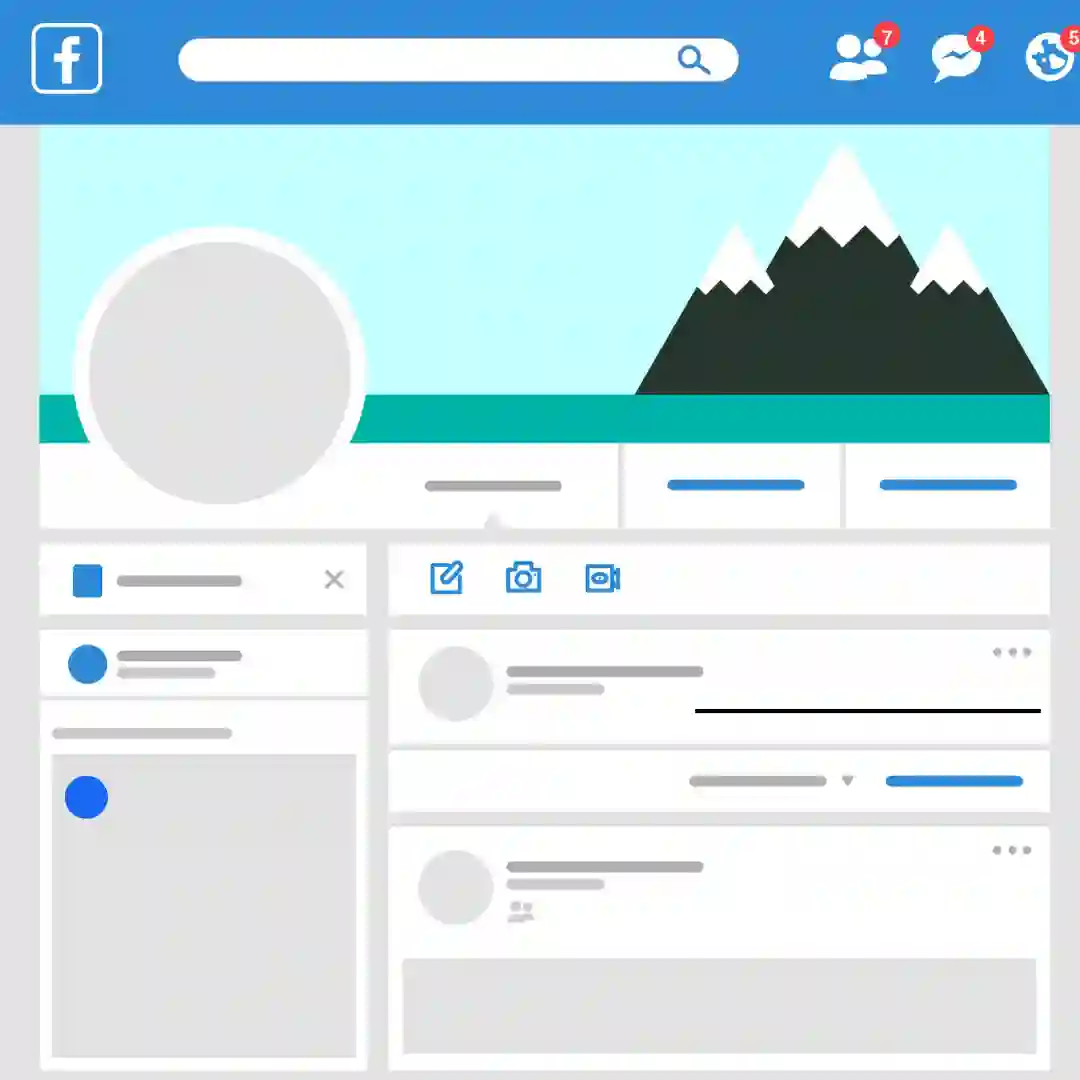
A Facebook Business Page is a dedicated online presence created by businesses, organizations or public figures on the Facebook platform. It serves as a hub for connecting with customers, promoting products or services and building a brand identity. These pages provide a professional and customizable platform where businesses can showcase their offerings, share updates and engage with their target audience through posts, photos, videos and other content formats.

How to create a Facebook Business Page in 7 steps

Step 1: Log in to Facebook

Go to the Facebook homepage and log in using your personal Facebook account. If you don’t have a personal account, you’ll need to create one before proceeding.

Step 2: Go to Facebook Pages

Once you’re logged in, click on the drop-down arrow at the top right corner of the page. From the drop-down menu, select “Create Page” or navigate to the “Pages” section on the left sidebar.

Step 3: Choose a Page Category

Facebook offers several categories for business pages. Select the one that best represents your business or organization. The available categories include Local Business or Place, Company, Organization or Institution, Brand or Product, Artist, Band or Public Figure, Entertainment and more.

Step 4: Provide Page Information

Fill in the required information about your business. This includes the name of your page, the category that best describes your business and a description that highlights what your page is about. Be concise and clear in your description to attract visitors.

Step 5: Add Profile and Cover Photos

Upload a profile picture and cover photo for your business page. Choose images that represent your brand or logo. The profile picture should be at least 180×180 pixels, and the cover photo should be 820×312 pixels. You can edit and adjust the images after uploading them.

Step 6: Customize Your Page

Facebook allows you to customize various aspects of your page to make it more appealing and informative. Add a call-to-action button, such as “Shop Now” or “Contact Us,” to encourage visitors to take action. Additionally, you can create a username for your page add business details like contact information and hours of operation and configure page settings according to your preferences.

Step 7: Publish Your Page

Once you’ve completed the customization, review the information you’ve entered and make any necessary changes. After that, click on the “Publish Page” button to make your page visible to the public. Congratulations! You have successfully created a Facebook Business Page.

Remember to regularly update your page with relevant content, respond to messages and comments from users and utilize the various features Facebook provides to promote your business effectively.

Instagram Marketing

The Ultimate Guide to Advertising on Instagram

The Ultimate Guide to Advertising on Instagram

Instagram Marketing

Advertising on Instagram can be a powerful strategy to reach and engage with your target audience. With its visually appealing format and a vast user base, Instagram provides businesses with a platform to showcase products, drive traffic and build brand awareness. Here’s an ultimate guide to advertising on Instagram to help you get started:

  1. Set up an Instagram Business Account: If you haven’t already, convert your personal Instagram account into a business account or create a new one specifically for your business. This will give you access to features like Instagram Insights, ad creation tools and the ability to run ads.
  2. Define your advertising goals: Determine what you want to achieve with your Instagram ads. Whether it’s increasing brand awareness, driving website traffic, generating leads or promoting specific products, having clear goals will guide your ad strategy.
  3. Understand your target audience: Identify your target audience’s demographics, interests, behaviors and preferences. This knowledge will help you tailor your ads and messaging to resonate with your intended audience.
  4. Choose the right ad format: Instagram offers various ad formats to suit different marketing objectives. Some popular formats include:
    • Photo Ads: Single images with a compelling visual and a caption.
    • Video Ads: Engaging videos up to 60 seconds long.
    • Carousel Ads: Multiple images or videos that users can swipe through.
    • Stories Ads: Full-screen vertical ads that appear within Instagram Stories.
    • Collection Ads: Combines product images with a clickable catalog for easy shopping.
  5. Select the ad format that best aligns with your content and goals.
  6. Create compelling visuals and content: Instagram is a highly visual platform, so make sure your ads are visually appealing, high-quality and aligned with your brand’s aesthetics. Use attention-grabbing visuals, compelling captions and a clear call-to-action (CTA) to encourage user engagement.
  7. Leverage user-generated content (UGC): Incorporating UGC into your ads can enhance authenticity and trust. Encourage your audience to share content featuring your products or services and obtain permission to repurpose their content in your ads.
  8. Target your ads effectively: Take advantage of Instagram’s targeting options to ensure your ads reach the right audience. Consider factors like demographics, interests, behaviors and location to refine your targeting parameters.
  9. Set a budget and bidding strategy: Determine your budget for Instagram advertising and select an appropriate bidding strategy. You can choose between cost per click (CPC) or cost per impression (CPM) bidding, depending on your campaign objectives.
  10. Monitor and optimize your campaigns: Regularly monitor the performance of your Instagram ads using the ad platform’s analytics tools. Assess metrics like reach, engagement, click-through rates (CTR) and conversions to evaluate the effectiveness of your campaigns. Make adjustments and optimizations as needed to improve results.
  11. Test and iterate: Continuously experiment with different ad variations, targeting options and messaging to find what works best for your audience. A/B testing can help you refine your strategies and uncover insights to enhance your future campaigns.
  12. Leverage Instagram Shopping: If you sell products, consider integrating Instagram Shopping into your ads. This allows users to make purchases directly from your ads, streamlining the customer journey.
  13. Engage with your audience: When users engage with your ads through comments or messages, respond promptly to foster a sense of connection and build a positive brand image.

Remember, Instagram is a highly visual and creative platform, so focus on creating visually appealing ads that align with your brand’s identity and resonate with your target audience. With a strategic approach and continuous optimization, advertising on Instagram can help drive meaningful results for your business.

Instagram Bio

Must things to know about Instagram Bio

Must things to know about Instagram Bio

Instagram Bio

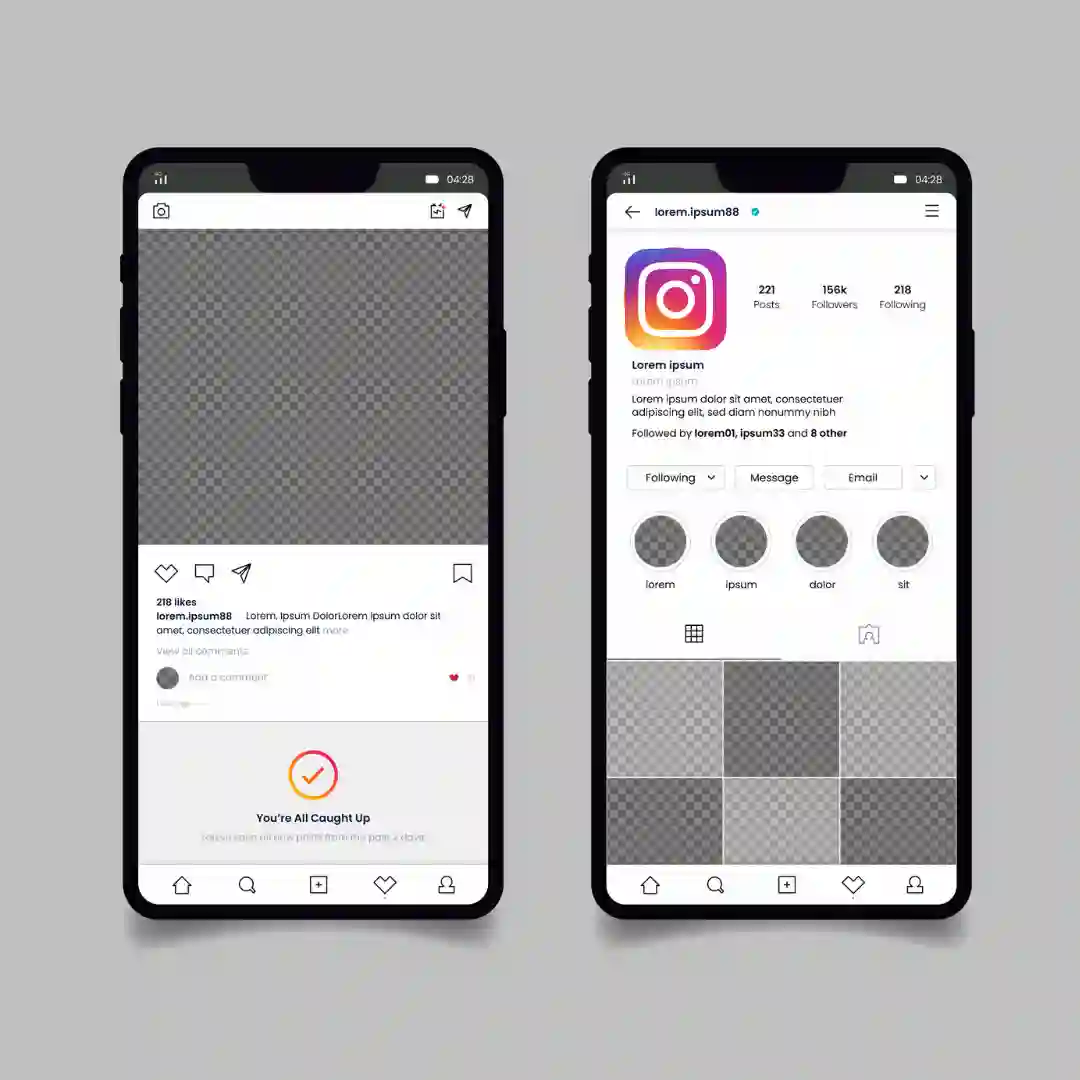
An Instagram bio, short for biography, is a section on your Instagram profile where you can provide a brief description of yourself, your interests or your brand. It is typically located below your username and profile picture and serves as a snapshot introduction to your account.

The Instagram bio is an important element of your profile as it allows you to express your personality, showcase your interests and provide relevant information to your followers. It often includes a combination of text, emojis, hashtags and links.

When creating your Instagram bio, here are some important things to keep in mind:

  1. Concise and Clear: Instagram bios have a limited character count, so make sure your bio is concise and gets your message across clearly. Use simple and straightforward language to communicate who you are and what you’re passionate about.
  2. Highlight Your Unique Qualities: Your bio should reflect your personality and stand out from the crowd. Think about what makes you unique and find creative ways to express it in your bio. It could be your interests, talents or a defining characteristic.
  3. Use Keywords and Hashtags: Including relevant keywords and hashtags in your bio can help you attract the right audience and improve discoverability. Consider the topics you often post about or the community you belong to and incorporate relevant keywords and hashtags into your bio.
  4. Call-to-Action (CTA): If you have a specific goal for your Instagram profile, such as promoting a blog, YouTube channel or business, include a clear call-to-action in your bio. It could be a link to your website, a signup link or an invitation to DM for inquiries.
  5. Emojis and Formatting: Emojis can add personality and visual appeal to your bio. Use them sparingly and strategically to enhance your message. Additionally, formatting techniques like line breaks, bullet points or spacing can make your bio more organized and readable.
  6. Contact Information: If you’re open to collaborations or want people to reach out to you, include your contact information in your bio. You can provide an email address or link to a contact form.
  7. Use Links and Link in Bio: Instagram allows you to have one clickable link in your bio. Utilize this opportunity to direct your followers to your blog, portfolio or any other relevant external link. Additionally, consider using a “Link in Bio” service to create a landing page with multiple links for easy navigation.
  8. Update Regularly: As your interests and activities evolve, make sure to update your bio to reflect the most current information. This ensures that your bio accurately represents you and your current endeavors.

Remember, your Instagram bio is your chance to make a strong first impression and engage your audience. Experiment, have fun and don’t be afraid to make adjustments as you go along to find what works best for you.

influencer marketing strategy

Social Media Influencer Partnerships: Dos and Don’ts

Social Media Influencer Partnerships: Dos and Don'ts

influencer marketing strategy

When it comes to social media influencer partnerships, there are several do’s and don’ts that can help you navigate these collaborations effectively. Here are some important considerations:

Do’s:

  1. Authenticity: Choose influencers who align with your brand’s values and image. Authenticity is key in influencer marketing, so look for influencers whose content and audience resonate with your target market.
  2. Clear objectives: Clearly define your goals and objectives for the partnership. Whether it’s increasing brand awareness, driving sales or reaching a specific audience, ensure that both parties are on the same page.
  3. Research and vetting: Thoroughly research potential influencers before partnering with them. Look at their engagement rates, follower demographics, content quality and past partnerships to ensure they have a genuine and engaged audience.
  4. Agreement and contracts: Create a formal agreement or contract that outlines the expectations, deliverables, compensation, disclosure requirements and any exclusivity arrangements. This document will protect both parties’ interests and set clear boundaries.
  5. Communication and collaboration: Maintain open lines of communication with the influencer throughout the partnership. Collaborate on content creation, provide guidelines and give constructive feedback to ensure the messaging and presentation align with your brand.
  6. Performance tracking: Monitor the performance of the influencer campaign using relevant metrics. Track key performance indicators (KPIs) such as reach, engagement, conversions and ROI to evaluate the success of the partnership.

Don’ts:

  1. Overlooking audience fit: Avoid partnering with influencers solely based on their follower count. A high number of followers does not guarantee a good fit for your brand if their audience does not align with your target market.
  2. Lack of research: Do not rush into partnerships without thoroughly researching the influencer. Failing to assess their content quality, audience demographics or past behavior can lead to ineffective collaborations or potential reputational risks.
  3. Ignoring authenticity: Avoid forcing influencers to promote products or services that do not resonate with their audience or personal brand. Forced endorsements can come across as inauthentic and harm both the influencer’s and your brand’s reputation.
  4. Lack of clarity: Do not leave important details undefined. Clearly communicate expectations, deliverables, timelines and compensation to avoid misunderstandings and ensure a smooth collaboration.
  5. Neglecting disclosure: Never overlook the importance of disclosure. In many countries, influencers are legally required to disclose their partnership with a brand. Make sure influencers are aware of the disclosure guidelines and follow them accordingly.
  6. Micro-management: Avoid excessively controlling the influencer’s creative process. While providing guidelines and feedback is important, trust the influencer’s expertise and give them creative freedom to develop content that resonates with their audience.

Remember, influencer partnerships should be mutually beneficial and built on trust and transparency. By following these dos and don’ts, you can increase the chances of a successful collaboration and achieve your marketing objectives effectively.

Small business

Social Media for Small Businesses: Strategies for Growth and Brand Awareness

Social Media for Small Businesses: Strategies for Growth and Brand Awareness

Small business
  1. Identifying Your Target Audience: Understand your target audience’s demographics, interests and online behaviors. This will help you tailor your social media content and messaging to resonate with them effectively.
  2. Choosing the Right Social Media Platforms: Research and determine which social media platforms your target audience is most active on. Focus your efforts on those platforms to maximize your reach and engagement.
  3. Developing a Consistent Brand Presence: Maintain a cohesive brand presence across all your social media profiles. Use consistent branding elements, such as logos, colors and tone of voice, to create a recognizable and memorable brand image.
  4. Setting SMART Goals: Define specific, measurable, attainable, relevant and time-bound (SMART) goals for your social media efforts. This could include metrics like followers, engagement rates, website traffic or conversions.
  5. Creating Engaging Content: Produce high-quality and engaging content that provides value to your audience. Mix different content formats, such as images, videos, infographics and blog posts, to keep your social media feeds interesting and varied.
  6. Encouraging User-Generated Content (UGC): Encourage your followers and customers to create and share content related to your brand. UGC not only boosts engagement but also serves as social proof and helps build brand advocacy.
  7. Engaging with Your Audience: Actively engage with your audience by responding to comments, messages and mentions. Initiate conversations, ask questions and encourage discussions to foster a sense of community around your brand.
  8. Utilizing Hashtags: Research and use relevant hashtags to expand the reach of your social media posts. Hashtags help categorize content and make it more discoverable to users who are interested in specific topics.
  9. Collaborating with Influencers: Partner with relevant influencers who align with your brand values and have an engaged following. Influencers can help amplify your brand’s reach, increase awareness and drive engagement.
  10. Running Targeted Ads: Utilize the targeting options available on social media platforms to reach your desired audience effectively. Experiment with different ad formats, such as sponsored posts, stories and video ads, to drive brand awareness and conversions.
  11. Leveraging Local Networking: Connect with other local businesses, organizations and influencers to build mutually beneficial relationships. Collaborate on social media campaigns, co-host events or cross-promote each other’s content to expand your reach within the local community.
  12. Analyzing and Optimizing Performance: Regularly analyze your social media metrics and use the insights to refine your strategies. Identify top-performing content, optimal posting times and areas for improvement to continually enhance your social media efforts.
  13. Encouraging Online Reviews and Testimonials: Request reviews and testimonials from satisfied customers. Positive reviews on social media platforms and review websites can significantly enhance your brand’s credibility and attract new customers.
  14. Hosting Contests and Giveaways: Run social media contests and giveaways to generate excitement and engagement around your brand. Encourage participants to share the contest with their networks to expand your brand’s reach.
  15. Monitoring Competitors: Keep an eye on your competitors’ social media activities to stay informed about their strategies and industry trends. Identify areas where you can differentiate yourself and offer unique value to your audience.

By implementing these strategies, small businesses can effectively leverage social media to enhance brand awareness, engage with their target audience, drive website traffic and ultimately, foster growth and success in the digital landscape.

social-media-marketing-concept

Social Media Marketing

Social Media Marketing

social-media-marketing-concept

Social Media Marketing is a powerful way for businesses of all sizes to reach prospects and customers and if you’re not speaking directly to your audience through social platforms like Facebook, Twitter, Instagram, and Pinterest, you’re missing out!

Join the conversation and maximize your social media marketing results by following these steps:

1. Define your goals.

  • Before you do anything else, take the time to think about what you want to accomplish with your social media marketing. Do you want to increase brand awareness? Drive traffic to your website? Generate leads? Boost sales?
  • Whatever your goal may be, make sure it’s specific, measurable, achievable, relevant, and time-bound (SMART). This will help you determine your social media marketing strategy and which platforms and activities will work best to support your goal.

2. Research your audience.

  • Once you know your goal, it’s time to start learning about your target audience.
  1. Who are they?
  2. What are their demographics?
  3. What are their interests?
  4. What are their pain points?
  • The better you understand your audience, the better you’ll be able to create content and campaigns that resonate with them. There are a number of ways you can research your audience, including social media listening, surveys, focus groups, and customer interviews.

3. Set up your profiles.

  • Now that you know your goals and your audience, it’s time to set up your social media profiles. Make sure to include your business name, logo, website URL, and contact information on each platform. Take the time to write compelling descriptions and bio, and don’t forget to use keywords that your audience is searching for.

4. Create share-worthy content.

  • Your social media success depends on the quality of your content. If you’re churning out generic, bland content, you’re not going to get the results you’re looking for. But if you’re creating share-worthy, valuable content, you’ll be well on your way to social media stardom.
  • To create content that resonates with your audience, start by thinking about what they want and need. What information or entertainment can you provide that will help them in some way? Once you have an idea of the type of content you want to create, come up with a content calendar and posting schedule. This will help you stay on track and ensure that you’re regularly publishing high-quality content.

5. Curate content from others.

  • In addition to creating your own content, you should also be curating content from other sources. This can help to add variety to your feed, and it can also introduce your audience to new perspectives and ideas.
  • When curating content, make sure to only share articles, videos, and other pieces that are relevant to your audience and that align with your brand. You should also add your own commentary, so your audience knows why you’re sharing the content.

6. Use engaging visuals.

  • If you want people to pay attention to your social media posts, you need to use engaging visuals. People are far more likely to stop scrolling and take notice of a post that includes an attractive image or video.
  • When selecting visuals for your posts, make sure they’re high-quality and relevant to the topic at hand. You should also consider using visuals that are on-brand, so your audience can easily recognize your posts.

7. Be active

  • If you want to get the most out of social media, you need to be active. This means regularly posting content, engaging with your audience, and joining conversations.
  • The more active you are, the more likely you are to achieve your social media marketing goals.

8. Monitor your activity.

  • In addition to being active, you also need to monitor your activity.
  • This means tracking your metrics and analyzing your results. By doing this, you can see what’s working and what’s not, and you can make adjustments to your strategy accordingly.

9. Respond to comments and messages.

  • If someone takes the time to leave a comment or send you a message, you should take the time to respond.
  • This shows that you’re active and engaged, and it helps to build relationships with your audience.
  • Social media marketing is a powerful way for businesses of all sizes to reach new customers and grow their businesses. By following these steps, you can create a social media marketing strategy that will help you achieve your business goals.

Tags : SEO

Share This :