

How PR and Digital Marketing Work Together for Interior Designers
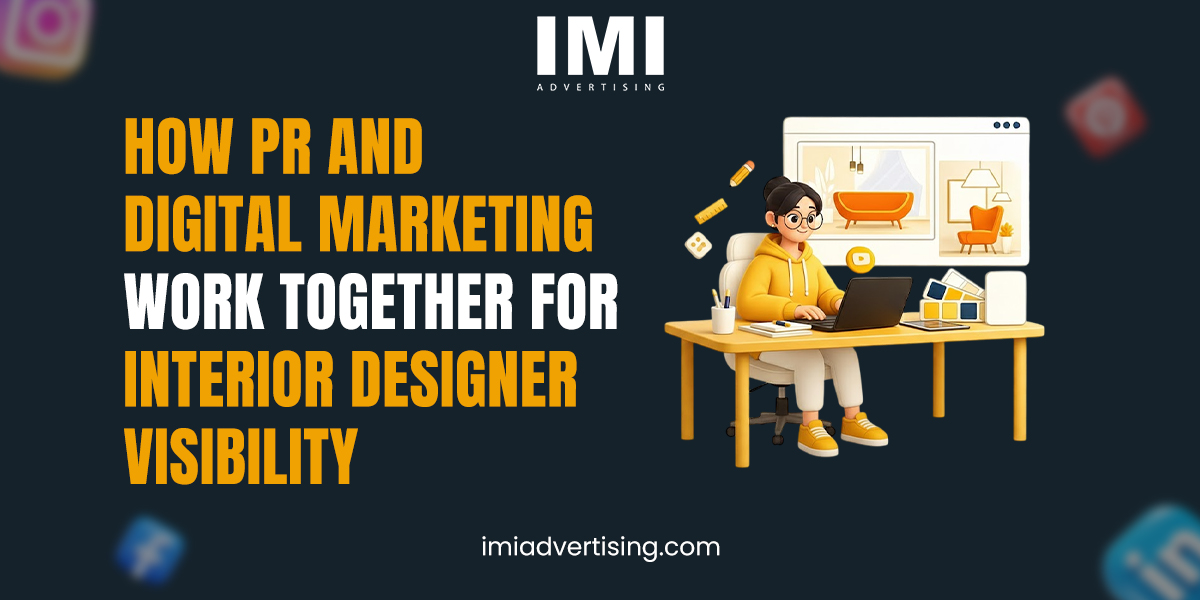
PR and digital marketing for interior designer visibility have become one of the most effective growth strategies in the modern design industry. Interior designers today operate in a highly visual, trust-based, and digitally influenced market. Clients no longer rely only on referrals; they research designers online, compare portfolios, read reviews, and look for media credibility before making contact.
A strong combination of PR and a digital marketing platform helps interior designers build authority and stay visible across multiple platforms.
The Changing Landscape of Interior Designer Marketing
Clients today don’t choose designers based on referrals alone. Their decision journey usually starts online:
- Google searches
- Social media discovery
- Design platforms and blogs
- Media features and reviews
If an interior designer is not visible across these touchpoints, they risk losing potential projects to competitors who are more digitally present and professionally positioned.
This is why relying only on social media or only on word-of-mouth is no longer sustainable.
Why Interior Designers Need an Integrated Strategy
Long-Term Brand Visibility :- Unlike paid ads that stop delivering once budgets end, PR and SEO-driven digital content continue to generate visibility for months or even years.
Better Quality Leads :- Clients who discover designers through PR articles, blogs, and search engines are usually more informed and serious about their projects.
Competitive Advantage :- Most interior designers still rely heavily on social media alone. Those who integrate PR with digital marketing gain a clear edge in both visibility and perception.
What Digital Marketing Does for Interior Designers
Digital marketing makes an interior designer’s brand visible, consistent, and measurable online. While PR builds authority, digital marketing converts that authority into regular visibility, engagement, and inquiries.
Key digital marketing elements include:
These core digital marketing elements help interior designers build consistent online visibility, attract the right audience, and convert interest into qualified inquiries.
A. Website and SEO
Your website is your digital portfolio. A well-designed website with proper SEO Optimization helps people find you when they search for interior design services.
SEO helps your website appear for keywords like:
- Home interior designer
- Luxury interior designer
- Interior designer near me
B. Social Media Marketing
Social media marketing works on social media platforms like Instagram and Pinterest, which are powerful for interior designers. They allow you to visually showcase your creativity.
You can use social media to:
- Share project images and videos
- Post before-and-after designs
- Show behind-the-scenes moments
- Connect personally with your audience
C. Content Marketing
Content marketing, working on blogs, videos, and reels, allows you to share your knowledge and design ideas. Helpful content builds confidence in your expertise.
Examples of content include:
- Interior design tips
- Space planning ideas
- Material selection guides
- Design trends
What PR Does for Interior Designers
Public Relations (PR) focuses on credibility, trust, and authority. While digital marketing drives visibility and leads, PR shapes how interior designers are perceived by clients, media, and the industry, a key factor in high-value design decisions.
A strong PR foundation helps interior designers:
- Build long-term brand credibility
- Gain trust before the first client interaction
- Stand out in a competitive, design-driven market
- Command premium pricing through authority positioning
Key PR Elements for Interior Designers
These key PR elements help interior designers build credibility, strengthen authority, and gain trusted visibility through third-party validation.
A. Media Features and Editorial Coverage
Features in reputed interior design and lifestyle publications enhance authority and brand perception.
Common placements include:
- Interior design magazines and journals
- Home décor and lifestyle publications
- Architecture, construction, and real estate features
B. Online Design Portals and Blogs
Mentions on trusted design portals and blogs act as third-party validation during client research.
Common platforms include:
- Interior design and home improvement portals
- Décor and renovation blogs
- Architecture and design-focused websites
C. Awards, Interviews, and Panel Discussions
Awards and interviews showcase professional excellence, while panel discussions and media interactions strengthen visibility and industry authority.
Common examples include:
- National or regional interior design awards
- Media interviews and feature profiles
- Industry panel discussions and expert sessions
D. Industry Events and Exhibitions
Participation in exhibitions and industry events boosts visibility while strengthening professional relationships and brand positioning.
Common activities include:
- Design exhibitions and trade shows
- Industry networking events and conferences
- Brand showcases and collaborative events
How PR and Digital Marketing Work Better Together
PR and digital marketing are most powerful when they support each other rather than operate independently.
PR Strengthens SEO Performance
PR features often include backlinks to a designer’s website. When these links come from authoritative platforms, they:
- Improve domain authority
- Help pages rank higher on Google
- Drive referral traffic
For example, a contextual mention from a trusted interiors platform like Top Interiors India adds SEO value while also enhancing brand credibility.
Digital Content Extends PR Value
PR coverage doesn’t end with publication. The same feature can be repurposed into:
- Blog content
- Social media posts
- LinkedIn updates
- Website highlights
Digital marketing ensures that PR visibility reaches a wider audience and delivers long-term value instead of being a one-time mention.
Data-Driven Insights Improve PR Strategy
Digital marketing provides real-time data, such as:
- Most visited pages
- High-engagement topics
- Popular design styles
These insights help PR teams pitch more relevant and timely stories, increasing the chances of media coverage and meaningful exposure.
Authority Meets Consistency
PR builds authority, while digital marketing builds consistency.
- PR establishes expertise
- Digital marketing reinforces visibility
Together, they create a strong and reliable brand presence that clients recognize and trust over time.
The Future of PR and Digital Marketing in Interior Design
Digital PR is the future of visibility, as the online authority now plays a more important role than conventional exposure per se.
Key trends include:
- Online publications over print-only features
- Video interviews, podcasts, and virtual walkthroughs
- PR based on long-term authority through SEO
- Expert content-led personal branding.
If interior designers aren’t visible online, potential clients may never come across their work. Platforms like Top Interiors India showcase interior designers and architects along with their projects, helping them build visibility, credibility, and trust in a competitive digital space.
Conclusion
PR and digital marketing are no longer optional for interior designers; they are essential growth tools. When combined strategically, they help designers gain visibility, credibility, and consistent client inquiries.
With agencies like IMI Advertising leading digital strategy and platforms like Top Interiors India supporting industry visibility, interior designers can build brands that are not only creative but also discoverable, trusted, and future-ready.
FAQs:
PR and digital marketing increase your firm’s visibility, credibility, and authority. They help attract high-value clients by building trust through media exposure and consistent online presence.
Yes. Social media builds engagement, but PR builds authority and trust, which social media alone cannot provide.
A strong strategy includes media features, SEO, social media presence, content marketing, and consistent brand messaging. Together, these elements improve visibility and long-term brand recognition.
You can showcase your work through a well-optimized website, social media visuals, media features, and digital portfolios. PR coverage adds credibility, while digital platforms amplify reach.
PR builds authority and trust, while digital marketing targets the right audience through search and social platforms. This combination helps attract clients who value expertise over price.
Get in touch with us for
Digital Marketing Services
09313100658
Available From 09:30 – 06:30
Email: support@imiadvertising.com